anxiety
• 3 June 2026• 5 min readBreathing Techniques for Anxiety Relief
Master evidence-based breathing exercises that can quickly calm your nervous system and reduce anxiety.
TTD
By Trauma Therapy Directory Editorial TeamPublished 3 June 2026
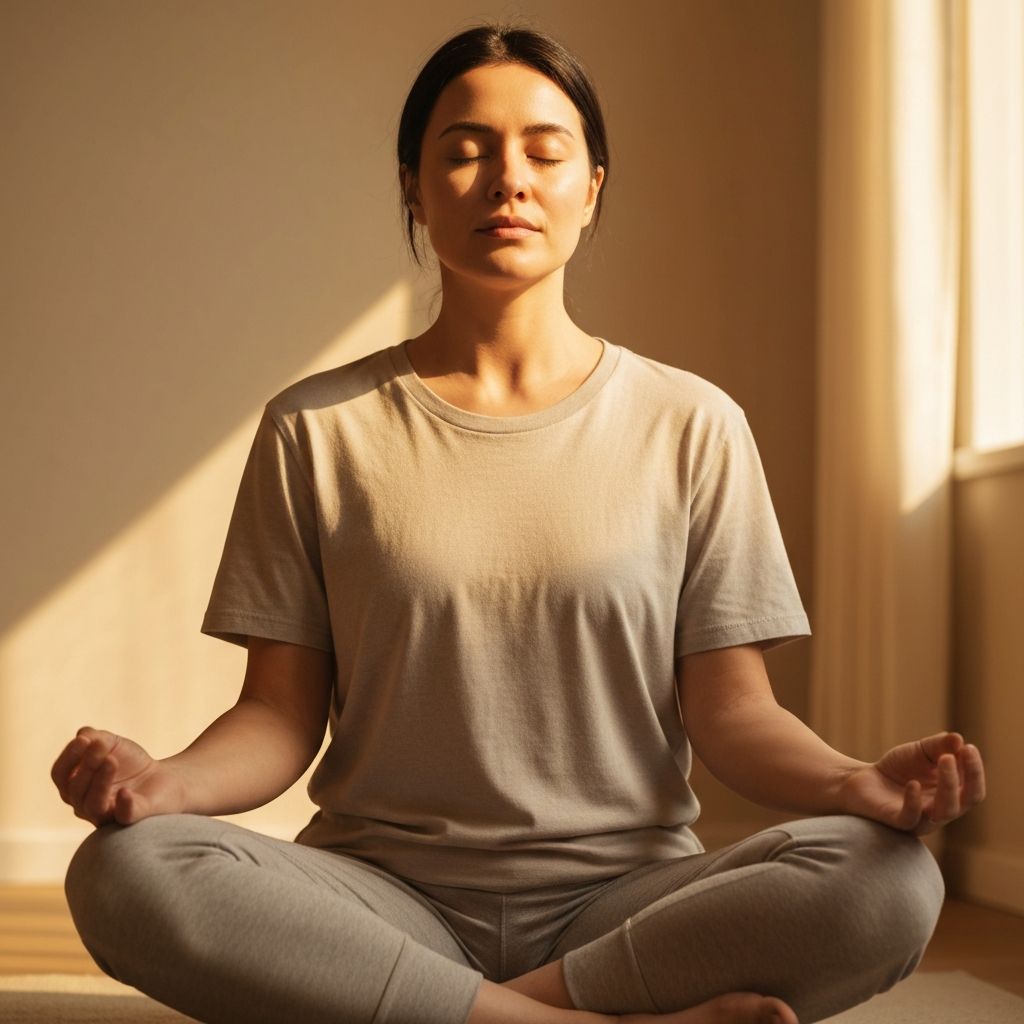
When anxiety strikes, your breath is one of the most powerful tools you have for immediate relief. Breathing techniques can quickly activate your body's relaxation response, calming your nervous system and reducing anxiety symptoms. This guide will teach you evidence-based breathing exercises you can use anytime, anywhere.
Why Breathing Works for Anxiety
The Breath-Anxiety Connection
When you're anxious, your breathing changes:
- Becomes rapid and shallow
- Shifts to chest breathing
- May involve hyperventilation
- Disrupts oxygen-carbon dioxide balance
These changes trigger more anxiety symptoms:
- Dizziness
- Tingling sensations
- Chest tightness
- Feeling of suffocation
The Relaxation Response
Controlled breathing activates the parasympathetic nervous system:
- Slows heart rate
- Lowers blood pressure
- Reduces muscle tension
- Calms racing thoughts
- Signals safety to your brain
Foundational Breathing Techniques
Diaphragmatic Breathing (Belly Breathing)
The foundation of all breathing exercises.
How to practice:
- Sit or lie comfortably
- Place one hand on chest, one on belly
- Breathe in slowly through nose
- Feel belly rise (chest stays relatively still)
- Exhale slowly through mouth
- Feel belly fall
- Continue for 5-10 minutes
Benefits:
- Increases oxygen intake
- Reduces physical tension
- Promotes full, deep breaths
- Easy to practice anywhere
Tips:
- Practice daily when calm
- Start with 5 minutes
- Don't force it
- Be patient with yourself
Box Breathing (Square Breathing)
Used by Navy SEALs for stress management.
How to practice:
- Exhale completely
- Inhale for 4 counts
- Hold for 4 counts
- Exhale for 4 counts
- Hold for 4 counts
- Repeat for 5-10 cycles
Benefits:
- Regulates nervous system
- Improves focus
- Reduces stress hormones
- Creates sense of control
Variations:
- Adjust count to comfort (3 or 5 counts)
- Visualize tracing a square
- Count silently or aloud
4-7-8 Breathing
Developed by Dr. Andrew Weil for relaxation.
How to practice:
- Exhale completely through mouth
- Close mouth, inhale through nose for 4 counts
- Hold breath for 7 counts
- Exhale completely through mouth for 8 counts
- Repeat cycle 4 times
Benefits:
- Quickly induces calm
- Helps for sleep
- Reduces anxiety
- Slows racing thoughts
Important notes:
- Keep tip of tongue behind upper teeth
- Make whooshing sound when exhaling
- Practice twice daily
- Don't exceed 4 cycles initially
Advanced Techniques
Alternate Nostril Breathing (Nadi Shodhana)
Ancient yogic technique for balance.
How to practice:
- Sit comfortably with straight spine
- Use right thumb to close right nostril
- Inhale slowly through left nostril
- Close left nostril with ring finger
- Release right nostril, exhale
- Inhale through right nostril
- Close right, exhale through left
- Continue for 5-10 minutes
Benefits:
- Balances nervous system
- Calms mind
- Improves focus
- Reduces stress
Resonant Breathing (Coherent Breathing)
Breathing at optimal rate for heart rate variability.
How to practice:
- Breathe at rate of 5-6 breaths per minute
- Inhale for 5 counts
- Exhale for 5 counts
- Continue for 10-20 minutes
Benefits:
- Optimizes heart rate variability
- Maximizes relaxation response
- Improves emotional regulation
- Enhances resilience
Lion's Breath
Releases tension and stress.
How to practice:
- Kneel or sit comfortably
- Inhale deeply through nose
- Open mouth wide, stick out tongue
- Exhale forcefully with "ha" sound
- Repeat 3-5 times
Benefits:
- Releases facial tension
- Energizing
- Relieves frustration
- Fun and playful
Breathing for Specific Situations
During a Panic Attack
Immediate steps:
- Recognize you're having a panic attack
- Find a safe place if possible
- Focus on lengthening exhale
- Use 4-7-8 breathing
- Ground yourself with 5-4-3-2-1 technique
Remember:
- Panic attacks can't harm you
- They peak within 10 minutes
- Breathing helps them pass faster
- You've survived every one before
Before Stressful Events
Preparation routine:
- Practice 5 minutes of diaphragmatic breathing
- Use box breathing for focus
- Visualize success while breathing
- Continue until feeling calmer
For Sleep
Bedtime breathing:
- Lie in bed comfortably
- Practice 4-7-8 breathing
- Focus on exhale
- Let go of thoughts
- Continue until drowsy
At Work
Desk-friendly techniques:
- Diaphragmatic breathing (subtle)
- Box breathing (quiet)
- Brief 2-minute sessions
- Multiple times throughout day
Creating a Practice
Building the Habit
Start small:
- 5 minutes daily
- Same time each day
- Link to existing habit
- Track your practice
Gradually increase:
- Add 1-2 minutes weekly
- Try different techniques
- Practice in various situations
- Notice what works best
Overcoming Challenges
"I can't focus":
- Normal for beginners
- Gently return attention
- Count breaths
- Use guided recordings
"It makes me more anxious":
- Start with shorter sessions
- Don't force deep breaths
- Try different techniques
- Consult a professional
"I forget to practice":
- Set phone reminders
- Link to daily activities
- Keep notes visible
- Start very small
"I don't have time":
- Even 2 minutes helps
- Practice while commuting
- Breathe during breaks
- Quality over quantity
Integrating with Other Strategies
Breathing + Mindfulness
Combine breath awareness with present-moment focus:
- Notice breath sensations
- Observe without judgment
- Return when mind wanders
- Accept whatever arises
Breathing + Movement
Pair breathing with gentle activity:
- Walking meditation
- Yoga
- Tai chi
- Stretching
Breathing + Visualization
Enhance breathing with imagery:
- Imagine breathing in calm
- Visualize exhaling tension
- Picture healing light
- Create peaceful scenes
Breathing + Progressive Relaxation
Combine with muscle relaxation:
- Breathe in while tensing
- Exhale while releasing
- Move through body systematically
- Notice increased relaxation
Teaching Others
For Children
Make it fun:
- "Smell the flower, blow out the candle"
- "Breathe like a dragon"
- "Balloon belly"
- Use bubbles or pinwheels
Keep it simple:
- Short sessions (2-3 minutes)
- Use visuals
- Practice together
- Praise efforts
For Partners/Family
Share your practice:
- Explain benefits
- Practice together
- Be patient
- Respect preferences
Measuring Progress
Signs of Improvement
Physical:
- Lower resting heart rate
- Reduced muscle tension
- Better sleep
- Fewer anxiety symptoms
Mental:
- Improved focus
- Less rumination
- Greater calm
- Better emotional regulation
Behavioral:
- More consistent practice
- Using techniques proactively
- Less avoidance
- Increased confidence
When to Seek Additional Help
Breathing techniques are powerful but not always sufficient alone. Consider professional help if:
- Anxiety remains severe despite practice
- Breathing exercises trigger panic
- You need guidance on technique
- Anxiety interferes with daily life
- You want comprehensive treatment
Conclusion
Breathing techniques offer immediate, accessible relief for anxiety. With regular practice, they become powerful tools for managing stress and promoting calm. Start with one technique, practice consistently, and gradually expand your repertoire.
Key takeaways:
- Your breath is always available
- Practice when calm to use when anxious
- Different techniques for different situations
- Consistency matters more than perfection
- Combine with other anxiety management strategies
Remember: Learning to control your breath gives you control over your anxiety response. With patience and practice, these techniques can become second nature, providing relief whenever you need it.
Tags
Breathing Techniques
Anxiety Relief
Stress Management
Mindfulness
Coping Skills
Was this article helpful?
Your feedback helps us improve our content. If you have specific suggestions, please contact us
WRITTEN BY
TTD
Trauma Therapy Directory Editorial Team
Trauma-Informed Content & Resources
United Kingdom
Trauma Therapy Directory is the UK's only directory dedicated exclusively to trauma-specialist therapists. Our editorial team produces trauma-informed content to help clients understand trauma, find the right support, and begin their journey toward healing.
Trauma education
Mental health resources
Therapist matching
Find the right therapist for you
Browse our directory of verified trauma specialists across the UK and find a therapist who understands your needs.
Search TherapistsVerified trauma specialists across the UK
Related Articles
View all articles
anxiety-11 May 2026
Recognizing the Signs of Depression
Learn to identify depression symptoms in yourself and others, and understand when to seek professional help.
Read article
anxiety-10 June 2026
5 Grounding Techniques for Managing Anxiety
Practical grounding exercises to help you stay present and manage anxiety in the moment.
Read article